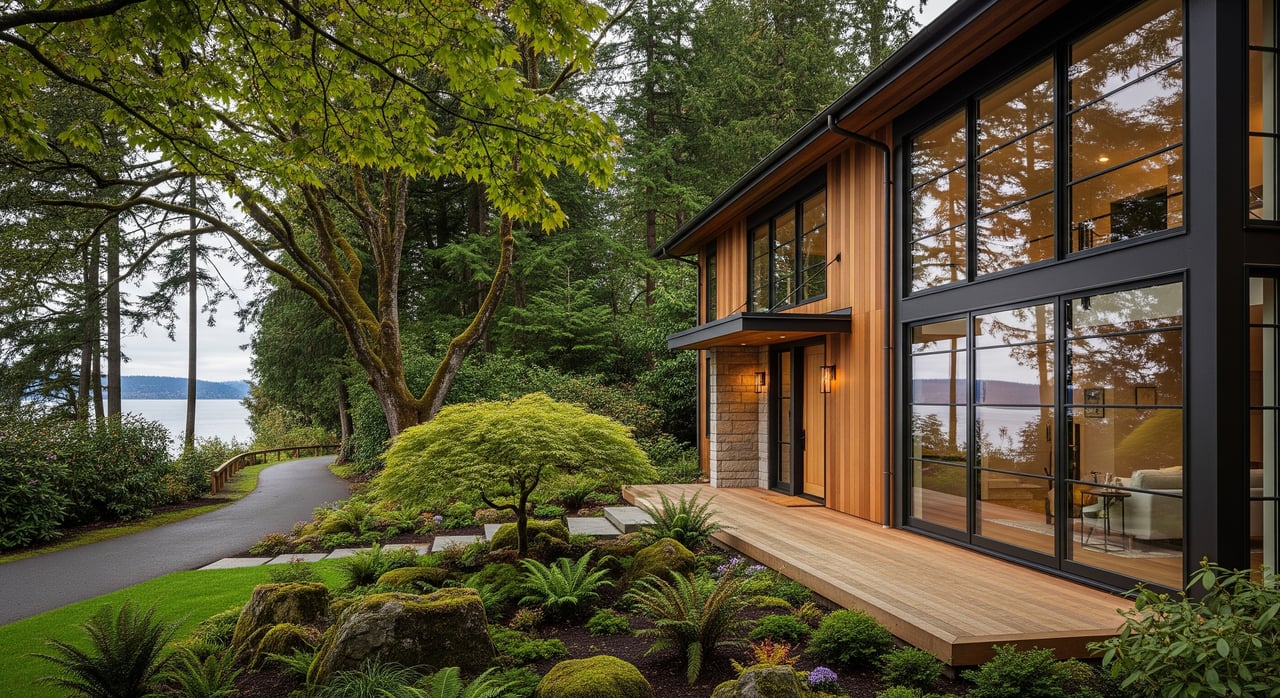
Picture starting your morning on a tree-lined path with Lake Washington just off to your right. If you live in Lake Forest Park near the Burke-Gilman Trail, that scene can be part of your daily routine. You may be exploring the area for a potential move or already live nearby and want to understand what day-to-day life really feels like. In this guide, you will get a clear view of neighborhood rhythm, trail access, commuting options, amenities, and practical tips for a smooth home search. Let’s dive in.
Lake Forest Park at a glance
Lake Forest Park is a compact, primarily residential city on the west shore of Lake Washington, north of Seattle and just west of Kenmore. Streets curve through wooded hillsides, and most homes sit on medium to larger lots that feel private and green. The overall pace is calm and suburban rather than urban.
Daily errands and casual meetups tend to cluster around the Town Center, also referred to as the Village area. You will find local shops, cafés, essential services, and a library branch there. Outside the Town Center, neighborhoods are quiet, with walking routes through tall evergreens and a steady stream of people heading toward the Burke-Gilman.
Living near the Burke-Gilman
The Burke-Gilman Trail is a signature amenity here. It is a continuous, multi-use, regional path used by cyclists, runners, walkers, and dog owners. Living near the trail means you have a direct, car-free route for weekday commutes by bike and easy weekend recreation.
You will notice more foot and bike traffic near access points, especially on sunny weekends and during commute hours. The trail skirts scenic stretches of the lake and links to destinations west toward the University District and connecting routes toward Ballard, as well as east toward the Sammamish River Trail. If you value daily outdoor time, the trail makes it simple to build activity into your routine.
Trail access and everyday etiquette
Because the Burke-Gilman is multi-use, it can be busy. You share space with a mix of speeds, from casual walkers to confident cyclists. Expect peak periods before work, after work, and on weekends.
If you plan to commute by bike, consider:
- Visibility and lighting for early or late rides.
- A safe, direct route from your front door to a trail entrance.
- A backup plan for seasonal maintenance or closures.
For walkers and runners, proximity to benches, rest areas, and safe crossings makes a difference. Living close to a practical access point is a real benefit, since it reduces the time it takes to get from home to the trail and back.
Errands and everyday stops
Most daily needs are handled at the Town Center. You can grab coffee, pick up essentials, and take care of routine tasks like banking or postal services in one loop. The King County Library System branch is an active community resource, with programs for various interests and ages.
Local social life leans casual. You will see neighbors catching up outside cafés, meeting after a trail run, or heading to small community events. Seasonal markets and library events add variety throughout the year.
Parks and green space
Greenery is a constant backdrop. You will find pocket parks, greenbelts, and informal walking loops through the neighborhood. Some stretches of the trail give you views of the lake, and nearby shoreline areas in adjacent jurisdictions are a short ride away. The result is an easy, everyday connection to nature without a long drive.
Commuting options
You have multiple ways to get around, and many residents combine options based on the day:
- Driving. Main routes include local arterials that connect to I-5 and to SR-522 along NE Bothell Way. These corridors can be congested during peak hours, so plan extra time for morning and evening commutes.
- Transit. King County Metro provides bus service along the major corridors. Service varies by route and time of day, so many riders pair transit with a short drive, walk, or bike ride.
- Biking. The Burke-Gilman serves as a direct spine for bike commutes, especially toward the University District and connections farther west. It is realistic if you are comfortable with urban segments at your destination.
- Park-and-ride. Nearby hubs such as Northgate, Shoreline, and Kenmore help you tap into higher-frequency regional service. Many residents bike or drive to these hubs, then continue by bus or rail.
Home styles and what you will notice
Most homes in Lake Forest Park are single-family houses on wooded lots. You will see many mid-20th-century ranches and bungalows, mid-century moderns, and post-war cottages. There is also periodic infill with newer single-family homes.
Closer to the Town Center and along major corridors, you may find small clusters of townhomes or condos. These can offer lower-maintenance living with quicker access to shops, services, and transit. If you are considering a condo or a home in a common-interest community, expect to review HOA documents and understand resale requirements during your transaction.
Trailside living: pros and practical tradeoffs
Living near a regional trail offers real lifestyle advantages. It also comes with a few tradeoffs to weigh as you refine your search.
Pros:
- Direct, car-free access for fitness and commuting.
- Scenic, green surroundings and a strong outdoor culture.
- Easy connection to nearby neighborhoods and waterfront stretches.
Considerations:
- Trail activity. Peak usage can mean more passersby and light noise near access points.
- Parking. Trailheads and popular entrances can draw weekend parking demand on nearby streets.
- Privacy and screening. Landscaping and fencing can improve privacy if your property fronts a busy segment.
- Lighting. Confirm the lighting on your route to the trail if you plan early or late trips.
Everyday routines you can expect
Once you settle in, your week might look like this:
- Morning coffee and a quick walk or jog on the trail before work.
- Weeknight errands at the Town Center and a library stop for a program or pickup.
- Weekend rides along the lake, with a café break on the way back.
- Occasional community events, seasonal markets, or volunteer days tied to parks or trail advocacy.
The rhythm is relaxed but active. You will get to know the same faces along your routes and at local shops, which adds to the small-city feel.
Tips for your home search
Use these points to focus your time and align the home with your lifestyle:
- Map your routes. Note your nearest trail access, your preferred Town Center stops, and your go-to transit link if you plan a mixed commute.
- Walk the block at different times. Visit during a weekday commute, a busy weekend morning, and an evening to understand traffic, parking, and trail activity.
- Look at the lot. Sloped or wooded lots are common. Consider drainage, sunlight for gardens, and how the tree canopy affects privacy and light.
- Evaluate storage. If you bike or paddle, plan for secure storage and easy access to the front door.
- If considering a condo or townhome. Review HOA budgets, reserves, and rules that may affect pets, storage, or short-term rentals. Ask for all required resale documents early so you can move decisively.
Who this area fits best
Choose Lake Forest Park near the Burke-Gilman if you want a quiet, green setting with easy outdoor access and a practical, local hub for daily needs. If you value a larger nightlife scene or dense restaurant districts, you will likely head into nearby Seattle neighborhoods for that energy. For many buyers, the balance of privacy, trees, and trail access is the deciding factor.
If you are weighing homes in different parts of the city or comparing single-family options with townhomes and condos, a clear plan will help you trade off space, maintenance, and access. A thoughtful search process can save you time and set you up for a smooth closing.
Ready to explore homes near the Burke-Gilman?
If you want a seasoned, low-pressure partner to help you evaluate lots, confirm daily-life logistics, and navigate HOA or condo details when relevant, we can help. With decades of local transaction experience and modern tools for valuation and listing discovery, you will get a straightforward plan and steady communication from first tour to closing. Schedule a consultation with The Corwin Group to start your tailored search.
FAQs
What is daily life like near the Burke-Gilman in Lake Forest Park?
- Expect a quiet, green residential setting with regular trail activity, convenient errands at the Town Center, and a steady outdoor routine built around walking, running, and biking.
Is biking to Seattle realistic from Lake Forest Park?
- Yes for many riders, since the Burke-Gilman provides a continuous, mostly off-street route toward the University District and connections beyond, depending on your comfort with urban segments.
How walkable is Lake Forest Park for errands?
- The Town Center serves as the primary walkable hub; outside that area, most errands are a short drive or bike ride, with many residents combining trips on the way to and from the trail.
What home styles are common near the trail in Lake Forest Park?
- You will see mid-century ranches and bungalows, mid-century modern homes, post-war cottages, and periodic newer construction, with some townhomes or condos near the Town Center and major corridors.
What are the main commuting options from Lake Forest Park?
- Drivers use arterials to I-5 and SR-522; transit runs along major corridors; many residents bike on the Burke-Gilman or connect to nearby park-and-ride hubs for regional service.
What should buyers consider about living close to a regional trail?
- Weigh access and recreation benefits against peak trail activity, parking near access points, privacy needs, and the lighting and route you will use for early or late trips.
