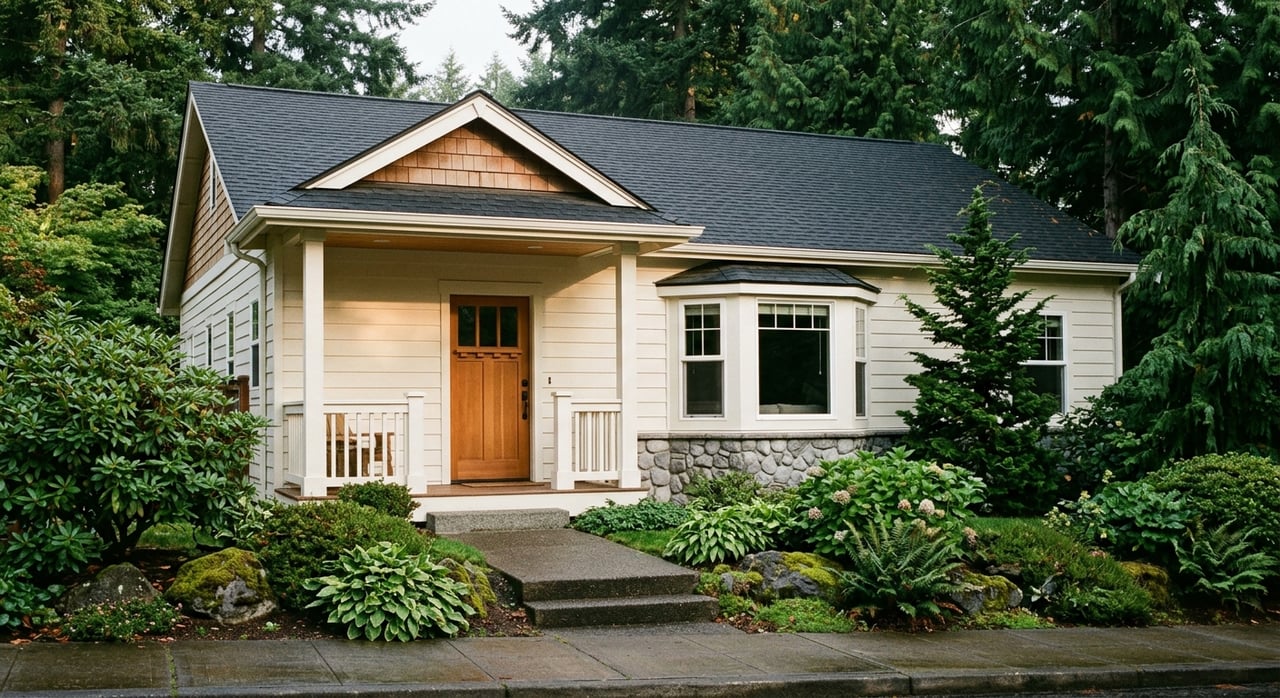
Wondering where to start in Tacoma when every neighborhood seems to offer something different? That is a common challenge for future homeowners here, because Tacoma is not one-size-fits-all. If you are trying to match your budget, commute, housing style, and daily routine to the right area, this guide will help you sort through the city’s key neighborhood patterns and narrow your search with more confidence. Let’s dive in.
Why Tacoma Feels So Different Block to Block
Tacoma works best as a collection of distinct submarkets, not one uniform housing market. According to the city’s community profile, Tacoma is organized into eight neighborhood council districts, with 16 mixed-use centers intended to support housing choice, neighborhood activity, retail, parks, and transit.
That matters when you are buying a home. One area may feel historic and residential, while another feels more urban, transit-oriented, or park-focused. Instead of asking whether Tacoma is a fit, it is usually more useful to ask which part of Tacoma fits the way you want to live.
What Future Homeowners Should Compare
Before you focus on any one neighborhood, it helps to compare a few practical lifestyle factors:
- Housing type: detached homes, condos, duplexes, or multifamily buildings
- Neighborhood feel: historic, urban, mixed-use, or corridor-based
- Transit access: rail, bus, and freeway connections
- Walkability: access to shops, services, and daily errands
- Parks and open space: shoreline access, trails, and nearby recreation
Tacoma’s planning documents also highlight walkability as a major quality-of-life factor. The city notes that the Stadium-to-Dome corridor, Hilltop, and the Proctor District score highly on Tacoma’s composite walkability measure, while mixed-use centers are meant to cluster housing and daily needs in compact, walkable places.
North Tacoma: Historic Homes and Waterfront Access
For many buyers, North Tacoma stands out for older homes, established streets, and strong access to local retail and waterfront amenities. This part of the city often appeals to people who want character, mature surroundings, and nearby destinations built into everyday life.
Proctor and North End
The Proctor area is one of Tacoma’s oldest business districts, and nearby North Slope includes many Victorian, Craftsman, Colonial Revival, and Foursquare homes, according to the city’s historic district information and Proctor planning materials. If you are drawn to early-20th-century architecture and neighborhood-scale commercial areas, this is one of Tacoma’s clearest matches.
Daily convenience is a big part of Proctor’s identity. The area includes the Proctor Farmers’ Market, local grocers, eateries, Wheelock Library, and the nearby University of Puget Sound, which gives the district a practical and well-established rhythm.
Stadium District and Old Town
The Stadium District and Old Town offer a different version of North Tacoma. The city describes the Stadium-Seminary district as one of Tacoma’s earliest residential areas and a high-style residential district with tree-lined avenues and prominent late-19th- and early-20th-century homes. Old Town adds views of Commencement Bay and a strong sense of Tacoma’s early history.
If you want older architecture with a more urban edge, this area may deserve a close look. It also benefits from better rail access than some other parts of North Tacoma, thanks to Tacoma Link stations in the Stadium District and Old City Hall, plus weekday Sounder South service at Tacoma Dome Station for trips to Seattle, as outlined by Sound Transit.
Point Defiance, Ruston Gateway, and Titlow
Lifestyle matters as much as housing style in Tacoma, and North Tacoma has some of the city’s strongest park and shoreline assets. Point Defiance Park spans 760 acres and includes Owen Beach, Five Mile Drive, trails, Dune Peninsula, the zoo and aquarium, a marina, and Fort Nisqually.
If you want a smaller waterfront park setting, Titlow Park is another useful reference point. It offers beach frontage, trails, play areas, picnic space, and access to Puget Sound near the west end of 6th Avenue.
Central Tacoma: Urban Living and Transit Access
If you want a more city-centered lifestyle, Central Tacoma may be the strongest fit. Housing here is generally more varied and more vertical, with easier access to transit, mixed-use corridors, and daily services.
Downtown and Dome District
Downtown Tacoma is the city’s densest growth area. The city identifies Downtown as a Regional Growth Center with the most intensive zoning in Tacoma, which means housing in and around downtown is more likely to be multifamily, mixed-use, and higher-density than detached-home neighborhoods.
The Dome District reinforces that pattern. Tacoma describes it as an area of commercial buildings and major transit connections around the Tacoma Dome, LeMay Car Museum, and Freighthouse Square. With Tacoma Link, Sounder South, and local bus connections nearby, this part of the city can make sense if you want to rely less on a car.
Hilltop and 6th Avenue
Hilltop and 6th Avenue are two of Tacoma’s best-known central neighborhoods for buyers who want walkability and mixed-use surroundings. The city describes Hilltop as a busy hub of shops and eateries, while 6th Avenue is framed as a destination entertainment district with historic storefronts and a mix of one- and two-story retail buildings.
These areas also stand out for rail access. The Hilltop Tacoma Link Extension added stations serving Stadium District, Old City Hall, Hilltop, 6th Avenue, and Tacoma General, making Central Tacoma especially relevant if your home search includes commute flexibility.
East and South Tacoma: Mixed Housing and Practical Access
East and South Tacoma can be strong options if you are balancing neighborhood character, transportation access, and a wider mix of housing types. These areas often feel more corridor-based and practical, with local commercial nodes and access to major routes.
McKinley Hill and Eastside
McKinley Hill has a notably mixed residential pattern. The neighborhood plan describes a blend of single-family homes, duplexes, triplexes, larger multifamily buildings, and a mixed commercial-residential core along McKinley Avenue, according to the city’s McKinley Hill Neighborhood Plan.
This area also has practical transportation advantages. It is about a mile from Tacoma Dome Transit Center and has access to I-5, SR 705, and SR 7, which can matter if you want regional connectivity without living directly in the downtown core.
For outdoor recreation, the Eastside has a major asset in Swan Creek Park. The park includes a salmon creek, forested ravine, paved and natural trails, a community garden, a dog park, picnic shelters, and mountain bike trails.
South Tacoma and Fern Hill
South Tacoma and Fern Hill bring a different type of neighborhood identity. The city describes Fern Hill as one of Tacoma’s oldest neighborhoods, while South Tacoma planning documents frame the area as a historic and cultural center with an emphasis on walking access to local businesses and the South Tacoma Station area.
South Tacoma also offers a practical commute profile. The city’s planning materials note Sounder commuter rail and multiple bus lines, with ongoing efforts to improve pedestrian and bike connections between the business district, transit, and community destinations.
Lincoln District
The Lincoln area may also appeal to buyers who like neighborhood commercial activity close to home. Tacoma describes it as a district of family-owned businesses and international charm centered on South 38th Street and Yakima Avenue, with Lincoln Park and historic Lincoln High School nearby.
For some buyers, this kind of setting offers a nice middle ground. It can provide a local, active commercial feel without the same housing pattern or pace you might expect downtown.
Parks and Walkability Matter More Than You Think
Across Tacoma, access to parks and open space can shape your day-to-day experience just as much as the house itself. The city reports about 1,480 acres of active parks and open space, 3,900 acres of passive open space, and says roughly 75% of residents live within a 10-minute walk of a park, according to the community profile.
That access is not identical in every neighborhood, though. Some areas are defined by waterfront parks and shoreline access, while others are shaped by trails, neighborhood parks, or more urban public spaces. When you tour homes, it is smart to pay attention to how parks, errands, and transit work together in real life.
A Simple Tacoma Neighborhood Shortlist
If you are just beginning your search, this shorthand can help:
- North End and Proctor: strong fit for historic homes, established streets, and neighborhood retail
- Stadium and Old Town: good fit for older architecture, views, and easier rail access near downtown
- Downtown and Dome District: best for more urban housing types and strong transit connections
- Hilltop and 6th Avenue: strong fit for walkability, mixed-use surroundings, and central location
- McKinley Hill: useful if you want mixed housing types and access to major transportation routes
- South Tacoma and Fern Hill: practical options with corridor access, local business districts, and transit connections
- Lincoln: a good area to explore if neighborhood commercial energy matters to you
The key is not finding the "best" Tacoma neighborhood in general. It is finding the area that best supports your version of homeownership.
How to Narrow Your Search With Confidence
When you explore Tacoma as a future homeowner, try to compare neighborhoods based on how you will actually live there. Think beyond square footage and price alone. Consider whether you want older architectural character, a more urban setting, easy rail access, nearby shoreline parks, or a balance of housing options and commuting routes.
That kind of clarity can save you time and help you avoid chasing homes that look good online but do not match your day-to-day priorities. If you want help turning Tacoma’s neighborhood options into a focused home search strategy, The Corwin Group can help you evaluate location, property type, and next steps with a clear, experienced approach.
FAQs
What are the best Tacoma neighborhoods for historic homes?
- North End, Proctor, Stadium District, and Old Town are the strongest areas to explore if you want older homes, established streets, and early-20th-century architecture.
Which Tacoma neighborhoods have the best transit access for homeowners?
- Downtown, the Dome District, Hilltop, and the Stadium area offer some of Tacoma’s strongest transit access because of Tacoma Link stations, Sounder South service, and local bus connections.
Is North Tacoma a good place to look for waterfront access?
- Yes. North Tacoma has strong access to waterfront and shoreline destinations through Point Defiance Park, the Ruston gateway area, Old Town, and Titlow Park.
Which Tacoma neighborhoods have more urban housing types?
- Downtown, the Dome District, Hilltop, and parts of 6th Avenue are more likely to include multifamily, mixed-use, and higher-density housing than primarily detached-home areas.
What should future homeowners compare when exploring Tacoma neighborhoods?
- Focus on housing type, neighborhood feel, walkability, transit access, park access, and how each area supports your daily routine and commute.
