Thinking about selling in Lake Forest Park this spring? You are not alone. Buyer activity tends to ramp up early around Seattle, and well‑prepared homes can move fast. You will learn how to time your listing, what to fix first, how to handle permits, and a simple 8–12 week plan to hit the market with confidence. Let’s dive in.
Why spring timing matters in Lake Forest Park
Spring brings more buyers, stronger online search activity, and better daylight for photos. Many national timing studies point to mid‑April through late‑May as a high‑visibility window, with the Seattle area often ramping earlier. You can use this guidance to pencil in late April to mid May, then refine with local comps.
For broader context, industry coverage notes that buyer search and listing activity often peak in mid spring. See a concise overview of the seasonal pattern in this summary of best times to sell a home in spring by The Spruce. Spring tends to deliver heightened attention and momentum.
Locally, Lake Forest Park has shown brisk movement for well‑prepared listings. January 2026 data snapshots put the median sale price around $849,000 with a typical 8–10 days on market, according to Redfin’s market page. Zillow’s Home Value Index for the same period shows a typical value near $1.00M. Different methods can produce different numbers, so use them as a reference and confirm current comps with your agent.
Your 8–12 week plan to list this spring
Use this timeline to stay organized. Adjust based on your home’s needs, contractor availability, and permit timing.
8–12 weeks before listing
- Meet your agent for a market review and pricing framework. Set a prep budget and timeline.
- Declutter and depersonalize. Focus on closets, counters, and furniture volume so rooms feel open. Agent surveys consistently recommend these steps for strong first impressions. See NAR insights on the impact of clean, decluttered presentation in this staging overview: staging remains a key differentiator.
- Book a pre‑listing inspection if your home is older or you want to avoid surprises. Typical costs often fall around $300–$600 depending on size and scope. Learn why many sellers choose this step in ASHI’s guidance on pre‑listing inspections: identify issues early and reduce renegotiations.
- If you are planning structural work, a new deck, or significant exterior changes, review the City of Lake Forest Park Permit Center requirements. Plan for about 8 weeks of permit plan review on typical building permits. Start early here: Lake Forest Park Permit Center.
- Gather bids for exterior projects with strong resale recoupment such as garage or entry door updates, targeted siding repairs, and paint. See the Pacific region Cost vs. Value data for ROI patterns: exterior projects often lead on recoupment.
4–8 weeks before listing
- Complete high‑ROI exterior items. Wash windows, clean gutters, refresh mulch, trim shrubs, and repaint the front door for maximum curb appeal. In the PNW, address moss on roofs and decks. Hire pros for delicate roof cleaning and use soft‑wash methods to protect shingles. For local context, see guidance from a Seattle‑area roof cleaning pro: safe roof moss removal and soft‑wash practices.
- Do interior cosmetic updates that show well in photos. Fresh neutral paint in key rooms, updated lighting, and small fixes to flooring or hardware can lift the whole space. Cost vs. Value data indicate minor kitchen refreshes often recoup better than full gut remodels: focus on visible, functional upgrades.
- Book staging for key rooms or schedule a staging consult. The living room, primary bedroom, and kitchen are common priorities. NAR’s staging research notes time‑on‑market benefits and potential pricing advantages when presentation is strong: staging influences buyer perception and speed.
1–3 weeks before listing
- Schedule a professional deep clean. Then complete photography and, if available, a floor plan or virtual tour. NAR resources emphasize the value of polished presentation for online buyers: a staged and clean home photographs best.
- Prepare your Washington Seller Disclosure Statement (Form 17) and have your pre‑inspection report handy for accuracy. Find the governing statute here: RCW 64.06 Residential Real Property Transfer.
- Have your agent do a final walkthrough to set your list price and refine the launch date based on current comps and buyer demand.
Listing week and after
- Launch your listing with high‑quality photos, accurate measurements, and a clear feature list. Monitor showing feedback closely. The first 1–2 weeks often deliver peak exposure, so be ready to respond to questions and adjust quickly if needed.
High‑ROI prep to prioritize
Declutter and deep clean
Decluttering, depersonalizing, and cleaning are the simplest, most cost‑effective steps. They make rooms feel larger and help buyers focus on the home rather than personal items. NAR guidance highlights these tasks among the most commonly recommended by agents. The result is better photography and more confident showings.
Minor repairs and safety fixes
Handle obvious issues before buyers and inspectors find them. Patch drywall, fix leaks, secure railings, and replace broken fixtures. If you complete electrical work, confirm permitting and compliance through Washington State Labor & Industries. Remember that Washington’s disclosure law expects you to be truthful about known defects. Review the statute here: RCW 64.06.
Curb appeal and exterior updates
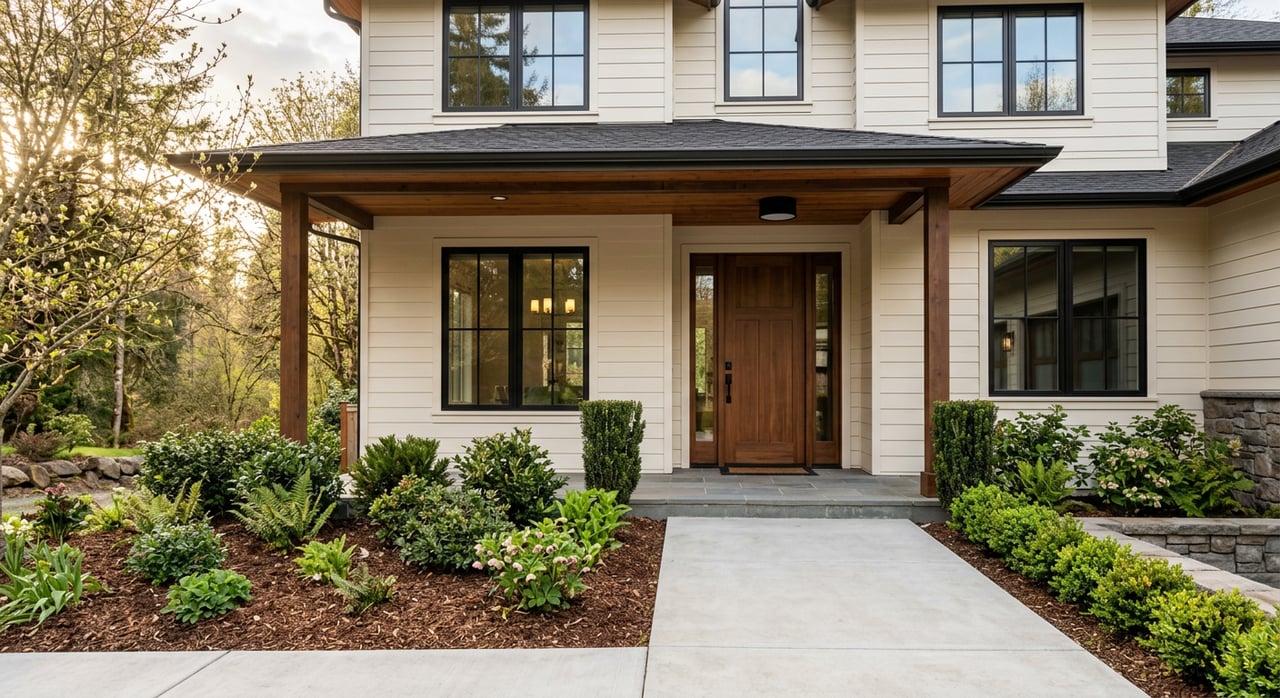
Exterior improvements often punch above their weight on resale. Regional Cost vs. Value data repeatedly show strong recoupment for garage doors, entry doors, siding maintenance, and other exterior touch‑ups. In Lake Forest Park’s lush, tree‑lined setting, clean lines and tidy landscaping read well online and in person. Schedule gutter cleaning, pressure washing for paths, touch‑up paint, and a quick refresh of outdoor lighting.
For moss and algae on roofs and decks, hire professionals who use gentle methods. Learn more about soft‑wash approaches for the PNW climate: roof cleaning best practices.
Kitchens and baths: go cosmetic
If you plan to sell this season, focus on light cosmetic updates. Think new cabinet hardware, refreshed lighting, updated faucets, or resurfaced counters. Cost vs. Value analyses show minor kitchen improvements often recoup a larger share than full upscale remodels when measured at resale. Keep systems in good working order and update the finishes buyers will see in photos.
Staging and professional media
Staging helps buyers understand scale and flow while showcasing key features. NAR’s staging research finds that many agents report reduced time on market and potential price benefits for some staged listings. You can combine a stager’s consult with agent‑led staging to control cost, or fully stage a vacant home if the budget allows. For a summary of typical cost ranges and benefits discussed in NAR reporting, see this overview: staging costs and outcomes.
Pre‑listing inspection and accurate disclosures
A seller‑ordered inspection can surface issues early so you can decide what to fix. ASHI explains how this step can support smoother negotiations, faster closings, and more accurate disclosures: why many sellers choose a pre‑inspection. Complete your Washington Form 17 honestly and update it if a material change occurs. Statutory guidance is here: RCW 64.06.
Local permits and logistics in Lake Forest Park
Before starting larger projects, review city rules so you are not surprised by timing. The City of Lake Forest Park Permit Center handles building, land use, grading, and right‑of‑way permits. The city notes typical building permit reviews can take about 8 weeks. Electrical permits are issued by Washington State Labor & Industries, not the city. For sprinkler or fire‑system work, check with the local fire authority. Find the right contacts and checklists here: Lake Forest Park Permit Center.
Tree removals may require permits, public notice, and sometimes an arborist’s report. If curb‑appeal plans include significant tree work, build in extra time for approvals. The Permit Center page links to tree permit requirements and submittal details.
Budget and ROI snapshot
- Exterior projects often deliver some of the strongest resale recoupment. Review Pacific region benchmarks here: Cost vs. Value 2025.
- Staging can be scaled to budget. NAR reporting shows many agents use agent‑led or professional staging, with median costs that are modest compared to home values. See a summary of costs and findings here: staging costs and outcomes.
- Pre‑listing inspections often run about $300–$600 and can save time and stress during negotiations. Learn more: ASHI on pre‑listing inspections.
- Example calculation. If Lake Forest Park’s median sale price is around $849,000 and staging helped produce even a 1 percent uplift, that would be about $8,490. This example uses a conservative assumption to show how a modest spend can pencil out. Actual results vary by home and market conditions.
Quick checklist for Lake Forest Park sellers
- Set listing window for late April to mid May based on current comps.
- Declutter, depersonalize, and complete a deep clean.
- Fix obvious safety and deferred maintenance issues.
- Prioritize exterior refresh: garage or entry door, paint touch‑ups, gutters, and moss treatment.
- Choose light cosmetic updates inside, especially lighting and paint.
- Book staging for living room, primary bedroom, and kitchen.
- Schedule professional photos and prepare a floor plan or virtual tour if feasible.
- Complete Form 17 accurately. Keep your pre‑inspection report on file.
- Confirm city permit needs early if you plan structural or major exterior work.
Getting these steps right helps your home stand out in a fast‑moving spring market. If you want a tailored prep plan, pricing strategy, and coordinated vendor support, connect with The Corwin Group for a focused, local listing consultation.
FAQs
When should I list a Lake Forest Park home in spring?
- Many sellers target late April to mid May, with Seattle‑area activity often ramping earlier in spring. Confirm exact timing with current comps and your agent.
What Lake Forest Park projects need permits before listing?
- Structural changes, decks, siding, significant tree removals, and right‑of‑way work often require permits. Start at the city’s Permit Center and allow about 8 weeks for building permit review.
Is staging worth it for Lake Forest Park listings?
- NAR research indicates staging often reduces time on market and may improve offers for some homes. Start with the living room, primary bedroom, and kitchen for impact.
Should I do a full remodel before selling my home?
- Usually no if you plan to sell this season. Cost vs. Value data show minor kitchen updates and exterior improvements often recoup more than large gut remodels at resale.
What does Washington’s Form 17 require from home sellers?
- Most residential sellers must provide the Form 17 disclosure under RCW 64.06. Disclose known material defects and amend if conditions change. A pre‑inspection can help you answer accurately.
