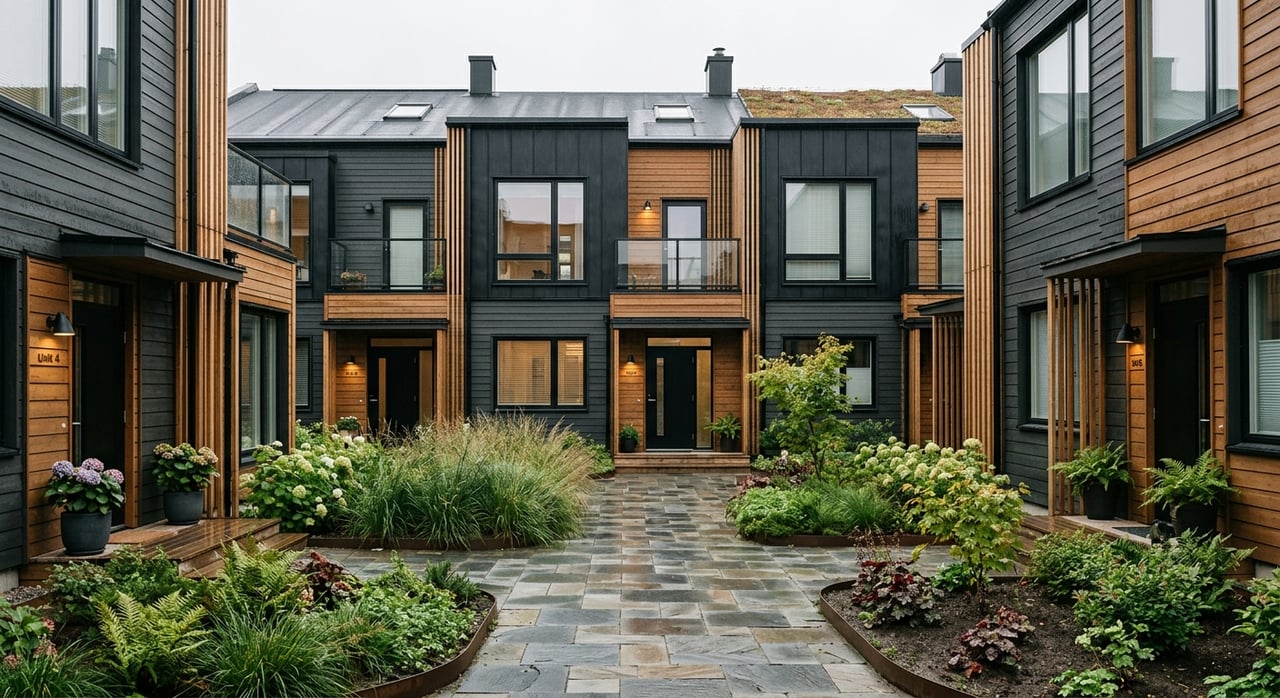
If Edmonds feels just out of reach on a detached-home budget, you are not alone. This is a high-value North Sound market, and condos and townhomes often give buyers a more accessible way to own in Edmonds while still benefiting from its waterfront setting, compact downtown, and regional transit connections. If you are weighing your options, understanding price points, HOA costs, building age, and location tradeoffs can help you make a smarter move. Let’s dive in.
Edmonds condo and townhome market at a glance
Edmonds remains a competitive market overall. Over the three months ending May 2026, the median sale price across the city was $1,049,372, up 12.8% year over year, with homes selling in about 7 days. That backdrop helps explain why condos and townhomes matter so much for buyers looking for an entry point into Edmonds.
Current condo inventory shows 52 condos for sale with a median listing price of $425,000. Current listings range from about $234,900 to $1.35 million, which tells you right away that this segment is not uniform. A smaller older unit and a larger updated waterfront-adjacent condo can sit in very different pricing tiers.
Townhomes sit in a different price band. Current inventory shows 19 townhomes for sale with a median listing price of $695,000. Recent examples of Edmonds townhome sales include a 2017 unit at $650,000 and a 2018 unit at $890,000, showing how newer construction and location can push values well above the median.
Condos vs townhomes in Edmonds
If you are deciding between a condo and a townhome in Edmonds, it helps to think of them as two related but distinct product types. Condos often offer the lower starting price, while townhomes typically provide more square footage and newer construction. Your best fit depends on your budget, maintenance preferences, and how much space you want day to day.
What to expect from Edmonds condos
Edmonds condo inventory spans a wide age range. Current and recent examples include buildings from 1966, 1969, 1974, 1986, 1990, 1995, and 2010. That means you may be comparing older low-rise communities with newer or updated buildings, and the age of the structure often affects maintenance expectations, monthly dues, and future repair planning.
For many buyers, condos can be the most practical way to get into Edmonds. They may offer access to areas near downtown or the waterfront at a price that is more approachable than a detached home. Still, the list price is only part of the story, especially when HOA costs and building condition come into play.
What to expect from Edmonds townhomes
Townhomes in Edmonds tend to skew newer. Examples in the market include 2017, 2018, and 2026 construction, with cited comps ranging from about 1,841 to 2,122 square feet. In practical terms, that often means townhomes feel more like a bridge between a condo and a single-family home.
Because of that, townhomes usually command a higher median price than condos. Buyers are often paying for newer systems, more interior space, and a different ownership experience. Depending on the community, you may still have HOA oversight, so it is important not to assume a townhome comes without shared-governance considerations.
HOA costs can change affordability fast
One of the biggest mistakes buyers make is focusing too much on list price and not enough on monthly carrying costs. In Edmonds, current condo examples show HOA dues ranging from about $478 per month to $927 per month. That spread can meaningfully affect your monthly budget and what a lender says you can comfortably afford.
HOA dues may cover items such as common-area maintenance, insurance components, and other shared expenses, but coverage can vary by association. A lower monthly due is not automatically better if the association is underfunded, and a higher due is not automatically a red flag if it supports stronger reserves or major building needs. The key is understanding what you are paying for and how financially stable the association appears to be.
Some governing documents can also limit how you use the property. One current Edmonds condo example highlights an unmet rental cap, which is a reminder that rental restrictions and other rules can affect both your future flexibility and resale appeal. If you think you may want to rent the unit later, this is worth reviewing early.
Why the resale certificate matters in Washington
In Washington condo resales, the resale certificate is a core part of the due diligence process. Under RCW 64.90.640 and RCW 64.34.425, the association generally must furnish the certificate within 10 days of request, and the reasonable preparation fee may not exceed $275. For buyers in Edmonds, that timeline matters because it can affect how quickly you can fully evaluate a property.
More importantly, the certificate is not just paperwork. It discloses assessments, delinquent balances, special assessments, anticipated major repairs, reserves, budgets, financial statements, litigation, insurance, known violations, governing documents, and the reserve study. If there is no current reserve study, the statute requires a warning that insufficient reserves can increase the chance of special assessments.
This is where experience really matters. A condo that looks great in photos can carry hidden risks if the association is facing major repairs, reserve shortfalls, or unresolved issues. Reading the HOA packet early can help you separate a solid opportunity from a property that may create budget surprises later.
Building age matters more than many buyers expect
In Edmonds, building age is one of the clearest dividing lines in the condo market. A building from the late 1960s or 1970s may offer a lower price point, but it can also raise more questions about deferred maintenance, upcoming capital work, and reserve planning. A newer building may come with a higher purchase price, but buyers often value the possibility of newer systems and less immediate repair risk.
That does not mean older is bad or newer is always better. It means you should ask sharper questions based on the age of the property. In Edmonds, where condo stock spans several decades, two units with similar square footage can represent very different ownership experiences.
Location premiums in Edmonds are real
Edmonds has about 5.2 shoreline miles, four beaches, waterfront parks, and a compact walkable downtown. The city also emphasizes shoreline character, public access, marina facilities, and additional residential opportunities in its downtown and waterfront planning. Those features help explain why the Bowl, Port of Edmonds area, and waterfront-adjacent locations often carry a premium.
That premium is visible in current listing language. Some units are marketed for proximity to waterfront parks, beaches, ferry access, downtown amenities, cafés, and restaurants, while others highlight beach or Puget Sound views. In a market like Edmonds, even a small shift in location can influence value, convenience, and future buyer demand.
Transit access adds value and tradeoffs
Transit convenience is another major factor in the Edmonds condo and townhome market. Edmonds Station at 211 Railroad Ave is served by the Sounder N Line, Amtrak Cascades, and Community Transit routes 102, 130, 166, and 909. For commuters, that can make transit-adjacent properties especially attractive.
The Edmonds-Kingston ferry route is also a significant part of the area’s transportation picture. The city says this route carries the highest number of vehicles and the second-highest number of passengers among state ferry routes. That convenience can support property appeal, but it can also mean busier streets and more traffic activity near the terminal area.
For buyers, the takeaway is simple. Being close to downtown, the station, or the ferry can be a real advantage, but it is worth balancing convenience with the feel of the immediate block and your tolerance for activity.
Smart questions to ask on a tour
When you tour an Edmonds condo or townhome, the right questions can save you time and reduce surprises. Beyond finishes and layout, try to understand the building, the association, and the surrounding location.
Here are a few smart questions to ask:
- How old is the building, and what major capital work has been done recently?
- Is there a current reserve study?
- Are there any pending special assessments or known major repairs planned?
- What does the monthly HOA fee cover?
- Are there rental caps or other use restrictions in the governing documents?
- How close is the unit to downtown, the waterfront, the ferry terminal, and Edmonds Station?
- Does the location feel quieter or busier at different times of day?
These questions matter because in Edmonds, value is shaped by more than finishes. The building’s age, financial health, rules, and exact location all affect affordability and future resale potential.
What this means for buyers and sellers
If you are buying in Edmonds, it helps to think beyond the headline price. A lower-priced condo with high dues or looming repairs may not be the better value, while a well-run association in a strong location can support long-term confidence. Careful review of the resale certificate and HOA documents is often where the real story emerges.
If you are selling, buyers in this segment tend to pay close attention to dues, reserves, assessments, and location advantages. Clear documentation, realistic pricing, and thoughtful positioning can make a meaningful difference, especially when your property competes against both older condos and newer townhomes. In a market this nuanced, details shape outcomes.
If you want guidance on navigating Edmonds condos, townhomes, and HOA-driven details with a steady, experienced approach, The Corwin Group is here to help.
FAQs
What is the current condo market like in Edmonds?
- Current Edmonds condo inventory shows 52 condos for sale with a median listing price of $425,000, with examples ranging from about $234,900 to $1.35 million.
What is the current townhome market like in Edmonds?
- Current Edmonds townhome inventory shows 19 townhomes for sale with a median listing price of $695,000, and newer units can sell well above that depending on size and location.
What do Edmonds HOA dues typically cost for condos?
- Current Edmonds condo examples show monthly HOA dues ranging from about $478 to $927, so dues can significantly affect your total monthly cost.
What does a Washington condo resale certificate include?
- A Washington condo resale certificate can include assessments, reserves, budgets, financial statements, insurance, litigation, governing documents, reserve study information, and known violations or planned repairs.
Why do waterfront and downtown locations cost more in Edmonds?
- Edmonds’ waterfront setting, shoreline access, beaches, marina area, and compact downtown help create a location premium for units closer to those amenities.
What should buyers ask when touring an Edmonds condo or townhome?
- Buyers should ask about building age, major repairs, reserve studies, special assessments, HOA dues, governing document restrictions, and proximity to downtown, the waterfront, the ferry terminal, and Edmonds Station.
