Looking for a Tacoma condo but not sure where to focus your search? You want the right mix of location, value, HOA stability, and an easy commute. This guide breaks down Tacoma’s core condo areas, realistic price tiers, HOA and financing basics, and a practical due diligence checklist so you can shop with confidence. Let’s dive in.
Tacoma condo hotspots at a glance
- Downtown: Urban, walkable, higher amenity levels, and premium pricing for newer or waterfront units.
- Stadium District and Hilltop: More affordable, smaller units, and many conversions that fit first-time buyers.
- North End: Neighborhood feel near parks and waterfront trails, with pricing that varies by proximity to the water.
- Near Tacoma Dome: Transit-oriented options that work well for commuters, with mixed ages and price points.
Downtown Tacoma: Urban and walkable
Downtown offers a mix of historic masonry buildings, mid-century towers, and newer boutique projects. You will find high-rise condos, loft conversions, and some townhome-style infill near the waterfront.
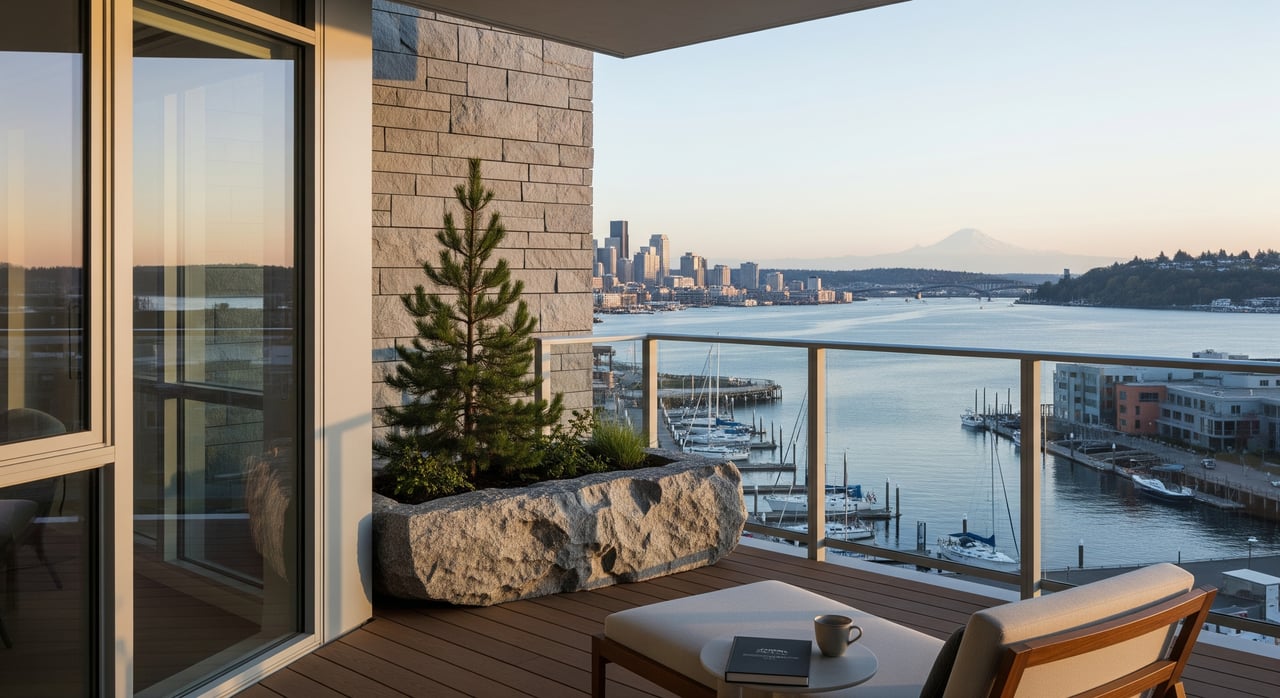
Expect secure entries, elevators, controlled garages, and in some towers a concierge or fitness room. Units along the waterfront and Ruston Way edges can offer notable views.
Transit access is strongest here. Local bus routes converge downtown, and the Tacoma Dome regional hub is a short ride or walk from parts of the core. You can also reach I-5 and SR-16 quickly.
Buyer fit: You value walkability, restaurants, the UW Tacoma campus, and cultural amenities. Per-unit pricing is typically higher for waterfront and newer construction. HOA fees trend higher in buildings with more services.
Stadium District and Hilltop: Value and convenience
In Stadium and Hilltop, you will see smaller one and two-bedroom condos, many converted from older apartments. Buildings are often low to mid-rise with practical amenities like secure entries, assigned parking, and small gyms in newer properties.
These areas are close to bus lines and fairly walkable to downtown and university zones. Hilltop offers quick access to I-5 and nearby employment centers.
Buyer fit: You want an attainable condo in a central location. These neighborhoods often provide more affordable options. If you are an investor, confirm rental restrictions before you write an offer.
North End: Proctor, Old Town, North Slope, and Ruston Way
The North End leans toward low-rise condominiums, townhouse-style condos, and small complexes with a residential feel. You will also find some historic conversions with loft character and select newer luxury options near Point Defiance and along Ruston Way.
Most buildings offer limited services and focus on proximity to parks like Point Defiance Park and Wright Park, waterfront trails, and neighborhood retail.
Buyer fit: You prefer a quieter neighborhood experience and easy access to outdoor spaces. Pricing ranges from moderate to premium and often reflects view potential and closeness to the waterfront.
Transit-focused options near Tacoma Dome
Around the Tacoma Dome Station you will see a mix of newer multifamily buildings near the hub and older garden-style condos farther out. The draw is regional transit access for Sounder commuter rail and intercity connections, which can simplify commutes north or south.
Buyer fit: You prioritize transit access and highway reach more than downtown walkability. Prices vary with building age, condition, and amenities.
What Tacoma condos cost today
As of December 2025, plan your budget around broad tiers, then verify with current NWMLS data before you tour:
- Entry-level: Smaller, older buildings, often 1-bedroom units. Historically in the low to mid hundreds of thousands. Confirm current pricing with live MLS data.
- Mid-range: Newer mid-rises and renovated units often land in the mid three to mid four hundreds. Verify with recent comps.
- High-end and waterfront: Newer or larger waterfront homes can reach well above the six-hundred range and up to seven figures depending on size, finish, and view.
Tacoma’s price per square foot is generally lower than Seattle. Building amenities, age, and distance from the waterfront drive most of the variation. Always check days on market, sale-to-list ratios, and active inventory in your target buildings to gauge competitiveness.
HOA fees: What they usually include
Most Tacoma-area HOA budgets cover common area maintenance, exterior upkeep, landscaping, trash, building insurance for shared areas, and reserves for capital projects. Some buildings include water, sewer, or heat, while others meter utilities separately.
Older or smaller associations often have lower monthly dues but may carry leaner reserves. Full-service or concierge buildings usually have higher fees because they fund elevators, security, fitness spaces, and more robust staffing.
To compare apples to apples, review the latest HOA budget, reserve study, and included services. Pair those with your lender’s estimate for HO-6 insurance to see your true monthly cost.
Financing and condo project approval
Condo loans add a layer of project-level review. Many lenders need documentation about the building’s insurance, reserves, and owner-occupancy ratios.
- FHA and VA: Many projects require formal approval to use these loans. If a building is not approved, your options may narrow.
- Conventional: Some lenders allow unit-level approvals, but underwriting is stricter. Early communication with your lender is key.
- Rental caps and owner-occupancy: These can affect loan eligibility and resale. Ask your agent to flag buildings that are not lender friendly.
Confirm loan options early so you are confident about project eligibility before you commit earnest money.
Reserves, assessments, and insurance to watch
Older buildings, especially pre-1980, may face capital needs like roof, plumbing stacks, or exterior envelope repairs. If reserves are thin, associations may levy special assessments to fund major work.
Ask for the most recent reserve study, the past 12 to 24 months of HOA meeting minutes, current financials, and the operating budget. Look for discussions of big projects, seismic upgrades, or pending exterior repairs.
Review the master insurance policy. Determine whether it is all-in or bare-walls to set the right HO-6 coverage. Consider earthquake insurance given regional seismic risk, and check flood maps and elevation if you are near the waterfront.
Your Tacoma condo due diligence checklist
Use this checklist to streamline your review and reduce surprises.
Building-level
- Reserve study and financials, including balance sheet and operating budget
- HOA meeting minutes for 12 to 24 months to spot upcoming projects or assessments
- Pending litigation, insurance claims, or regulatory notices
- Building envelope health, including roof, siding, windows, balconies, and waterproofing
- Elevator condition, service records, and capital plans
- Parking and storage: deeded vs. assigned stalls, guest parking rules
Unit-level
- Plumbing risers and any history of stack leaks or replacements
- HVAC and hot water system age and what the HOA covers
- Moisture or condensation signs, especially in waterfront or older masonry buildings
- Sound transmission between units and at party walls
- Master policy deductible and matching HO-6 coverage
Neighborhood and site
- Street noise during events, transit activity, or marina operations
- Walkability to your key amenities like groceries, parks, transit, and medical centers
- Guest parking availability and street permit rules
- Commute time to major employers, including UW Tacoma and nearby hospital systems
Transactional
- Request the full resale package as early as possible
- Confirm FHA, VA, or other program approvals for the project if applicable
- Verify rental history and owner-occupancy percentages for lender and HOA compliance
- Check days on market, sale-to-list trends, and active inventory for timing and pricing strategy
How The Corwin Group helps you buy smarter
Condo purchases involve more moving parts, from project approvals to reserve studies and resale packets. You deserve a calm, experienced advisor who can keep the process clear, flag risks early, and negotiate from solid ground.
With deep expertise in condos and HOA governance across Puget Sound, we combine hands-on guidance with modern MLS tools so you see the right listings and make informed decisions. If you are mapping a Tacoma condo search or ready to tour, connect with The Corwin Group to plan your next steps.
FAQs
What are typical HOA fees for Tacoma condos and what do they include?
- Fees vary by building age and amenities, often covering exterior maintenance, common area upkeep, trash, landscaping, master insurance, and reserves, with some including water, sewer, or heat.
Are Tacoma condos eligible for FHA or VA loans, and what is project approval?
- Many FHA and VA loans require the condo project to be approved, which means the building meets documentation and risk standards; if not approved, loan options may be limited.
Which Tacoma neighborhoods offer the best mix of waterfront and recreation access?
- North End areas like Old Town, Ruston Way, and near Point Defiance emphasize parks and waterfront trails, with pricing that reflects view potential and proximity to the water.
How competitive is the Tacoma condo market right now?
- Check live MLS data for days on market, sale-to-list ratios, and active inventory in your target buildings to understand whether conditions favor buyers or sellers.
What should I review in a condo resale package before I make an offer?
- Prioritize the reserve study, HOA financials, meeting minutes, CC&Rs, rules, rental caps, pet policies, parking terms, insurance coverage, and any pending litigation or assessments.
How do parking and storage typically work in downtown Tacoma condos?
- Downtown buildings often provide controlled garage parking with assigned or deeded stalls and limited guest parking; storage varies by building and may be deeded or assigned.
