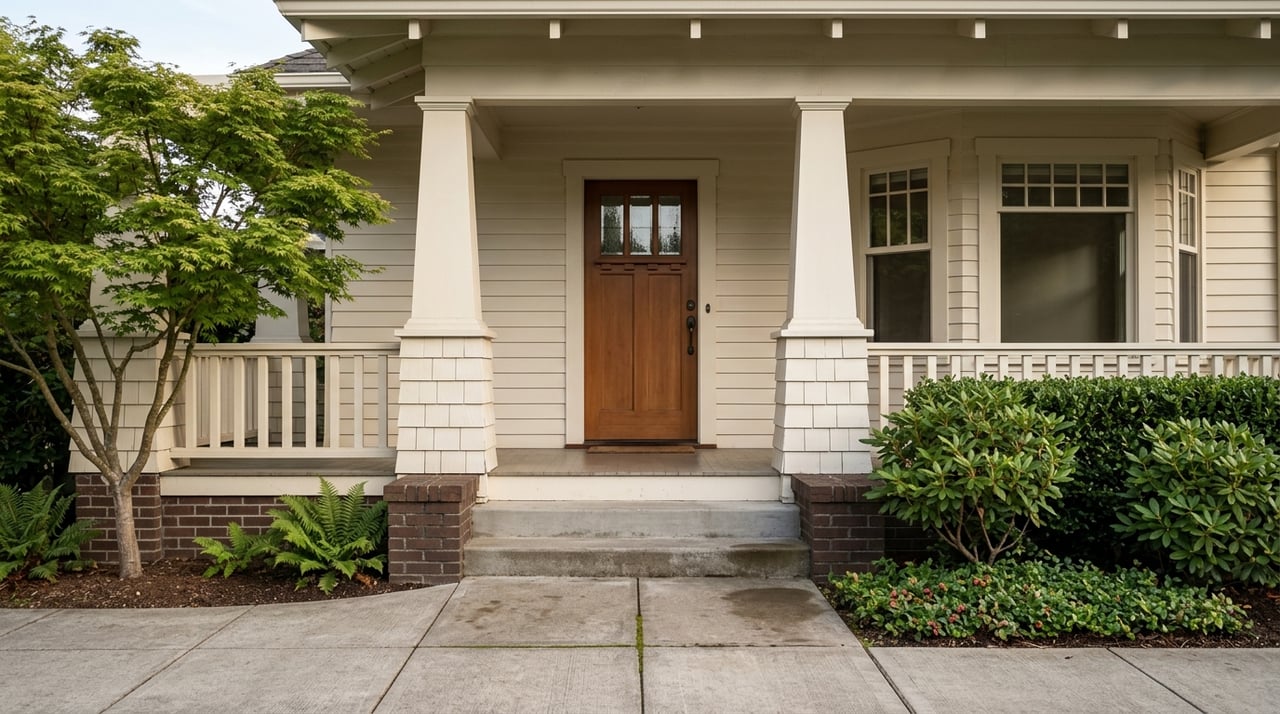
Wondering whether a Tacoma Craftsman or vintage home is the right fit for you? It is easy to fall for the front porch, built-ins, and old-growth details, but buying an older home also means looking closely at condition, upkeep, and local rules. If you want the charm without unnecessary surprises, it helps to know what to expect before you make an offer. Let’s dive in.
Why Tacoma Stands Out for Older Homes
Tacoma has one of Washington’s oldest historic preservation programs, dating back to 1973. Today, the Tacoma Register includes more than 190 properties, sites, and places, along with local historic and conservation districts. That long-standing focus on preservation helps explain why older homes remain such a visible part of the city.
The housing stock supports that story. According to the City of Tacoma’s housing analysis, 40% of owner-occupied homes and 34% of renter-occupied homes were built before 1950. In nearby Lakewood, the housing mix is generally newer, with most homes built between 1950 and 1979.
For you as a buyer, that means Tacoma offers a deeper bench of prewar housing than many nearby areas. If you are specifically hoping for original character, period details, and established streetscapes, Tacoma is often where that search gets more interesting.
Where You’ll See Vintage Homes
Tacoma’s older homes are especially concentrated in historic neighborhoods such as North Slope and the Wedge. The city describes North Slope as primarily middle-class Victorian, Craftsman, Colonial Revival, and Foursquare housing, and the district includes more than 950 properties. The Wedge is also described by the city as a pre-World War II middle-class neighborhood.
That does not mean every older home in Tacoma sits in a historic district. It does mean buyers shopping in Tacoma’s older core are more likely to encounter classic architecture, mature blocks, and homes with original exterior features.
If you are comparing Tacoma with Tacoma-Lakewood more broadly, this is one of the biggest differences to keep in mind. Tacoma often offers more pre-1950 options, while Lakewood tends to skew newer overall.
What “Craftsman” Means in Tacoma
In Tacoma, Craftsman homes generally date from 1905 to 1930. The city’s architectural guide identifies common details such as low-pitched rooflines, deep eaves, exposed structural wood, asymmetrical facades, broad gables, tapered or squared porch piers, and grouped windows.
You may also see wood exteriors, brick or stone accents, and built-in interior features. These details are a big part of why buyers are drawn to Tacoma’s older homes. They often feel visually distinct from later construction.
It also helps to clear up a common point of confusion. “Bungalow” refers to size rather than architectural style, so not every bungalow is a Craftsman, and not every Craftsman is best described as a bungalow.
“Vintage” Covers More Than Craftsman
If you are searching for a vintage home in Tacoma, your options go beyond Craftsman houses. Tacoma’s historic districts include a range of architectural styles and building types, from Italianate and Beaux Arts landmarks to early-1900s industrial vernacular buildings that have seen adaptive reuse.
For homebuyers, the takeaway is simple. “Vintage” in Tacoma is a broad category, and your search may include Foursquares, Colonial Revival homes, Victorians, and other prewar properties alongside Craftsman homes.
That variety can be a strength. It gives you more ways to match your budget, layout preferences, and renovation appetite with the kind of home you want.
What to Expect From an Older Home
Character usually comes with more maintenance. Tacoma’s climate is mild, but much of the area’s precipitation falls during the cooler winter months. Average monthly totals run from 4.1 to 6.7 inches between November and March, and the city notes that wet-weather stormwater management is a critical local function.
In practical terms, moisture management matters. When you tour an older home, it is smart to pay close attention to the roof, gutters, grading, crawlspace, and any signs of past moisture intrusion.
That does not mean every old house has a major problem. It means weather exposure over time can make routine systems and exterior drainage more important to evaluate carefully.
Health and Material Issues to Flag Early
Because Tacoma has a large share of older housing, age-related hazards should be part of your due diligence. The city’s housing analysis notes that older homes may contain lead hazards, and homes built before 1978 may contain lead-based paint.
That matters most when old paint may be disturbed. Repairs or renovations involving sanding, scraping, or repainting can create dangerous dust, so it is important to identify concerns before work begins.
Older homes can also contain asbestos in materials such as floor tile, ceiling tile, or old pipe wrap. If material is damaged or may be disturbed during renovation, it should be sampled by a trained and accredited asbestos professional.
For many buyers, this is the clearest trade-off. You may get more character, more craftsmanship, and a stronger sense of history, but you also need a more careful plan for repairs and updates.
Historic District Rules Can Affect Updates
If the home you want is in a local historic district, the update process may differ from a standard purchase. Tacoma says local historic districts require historic approval for development activities.
That is different from National Register or Washington Heritage Register listing alone. The city says those listings do not create private-property restrictions beyond demolition review.
This distinction matters because some buyers assume any historic designation works the same way. In Tacoma, the specific type of designation can affect what review is required before exterior work moves forward.
North Slope Update Considerations
In North Slope, Tacoma says exterior work on windows, siding, additions, chimneys, porches, and decks may require design review if permits are needed. The city’s district guidance also encourages preserving original wood windows and repairing them before replacement.
If preserving original features matters to you, that may feel like a plus. If you are planning immediate exterior changes, it is something to understand before closing.
Either way, the best move is to verify what kind of designation applies to the property and how that may shape your project timeline, budget, and renovation plans.
Questions to Ask Before Making an Offer
A beautiful old house can still be the right purchase, but you want a clear picture of near-term needs. Before you move forward, ask your inspector or contractor focused questions that separate cosmetic issues from bigger concerns.
Useful questions include:
- What are the biggest likely repairs in the first 1 to 3 years?
- Which items look structural or functional, and which are mainly cosmetic?
- Where do you see evidence of roof, gutter, drainage, or crawlspace moisture?
- Are there signs that past additions or repairs may affect future maintenance?
These questions can help you build a more realistic ownership plan. They also make it easier to decide whether the home’s charm aligns with your budget and timeline.
Questions to Ask Before Renovating
If you plan to update the home after closing, your diligence should continue. Older materials and local review requirements can affect both cost and timing.
Before starting work, ask:
- Does the home’s age suggest lead-based paint concerns, and should anything be tested before sanding, scraping, or repainting?
- Are there materials that could contain asbestos, and should they be sampled before work begins?
- Are the windows original, repairable, or already replaced?
- Would any exterior work need review if the home is in a Tacoma local historic district?
- What should the first-year maintenance budget be for weatherproofing, painting, window repair, and other deferred work?
These conversations can save you from expensive surprises. They also help you prioritize improvements in a way that respects both the home and your budget.
How to Buy With More Confidence
Buying a Craftsman or vintage home in Tacoma is often about balancing emotion with diligence. The appeal is real: character, established neighborhoods, and a strong historic identity. The trade-off is that older homes usually require a closer look at moisture, materials, and update constraints.
That is where a clear process matters. When you understand the home’s age, likely maintenance needs, and any district-specific rules before you commit, you can move forward with more confidence and fewer unknowns.
If you are considering a Tacoma Craftsman or another vintage home in the Tacoma-Lakewood area, working with an experienced advisor can help you evaluate the property, ask better questions, and plan your next steps with clarity. To talk through your goals, connect with The Corwin Group.
FAQs
What counts as a Craftsman home in Tacoma?
- In Tacoma, Craftsman homes generally date from 1905 to 1930 and often feature low-pitched roofs, deep eaves, broad gables, porch piers, grouped windows, and wood detailing.
What does vintage home mean in Tacoma real estate?
- In Tacoma, “vintage” can include more than Craftsman homes. Buyers may also see Victorian, Colonial Revival, Foursquare, and other prewar architectural styles.
What should you inspect first in an older Tacoma home?
- In Tacoma, it is wise to look closely at the roof, gutters, grading, crawlspace, and signs of past moisture intrusion because winter precipitation can make moisture management especially important.
Do Tacoma vintage homes have lead paint concerns?
- Many older homes may have lead hazards, and homes built before 1978 may contain lead-based paint. This becomes especially important before repairs or renovations that disturb old paint.
Can historic district rules affect Tacoma home renovations?
- Yes. In Tacoma local historic districts, some development activities require historic approval, and certain exterior changes may need design review if permits are required.
Are older homes more common in Tacoma or Lakewood?
- Based on the city housing analysis, Tacoma has a larger share of pre-1950 housing, while nearby Lakewood is generally newer, with most homes built between 1950 and 1979.
